The Field
Intelligence Unit.
NetworkField wasn't born in a boardroom. It emerged from the frustration of a university dorm room, where a 200ms lag spike could end a sixteen-hour raid. We realized then that the bottleneck wasn't the player’s skill or the game’s code—it was the invisible, fractured infrastructure beneath.
Today, we operate as a specialized network research collective. We don't just offer "consultancy"; we provide forensic analysis for high-stakes gaming environments. We treat the global internet as a literal field of operation—mapping regional ISP peering, measuring cold-start latency, and hunting packet loss in urban density zones.
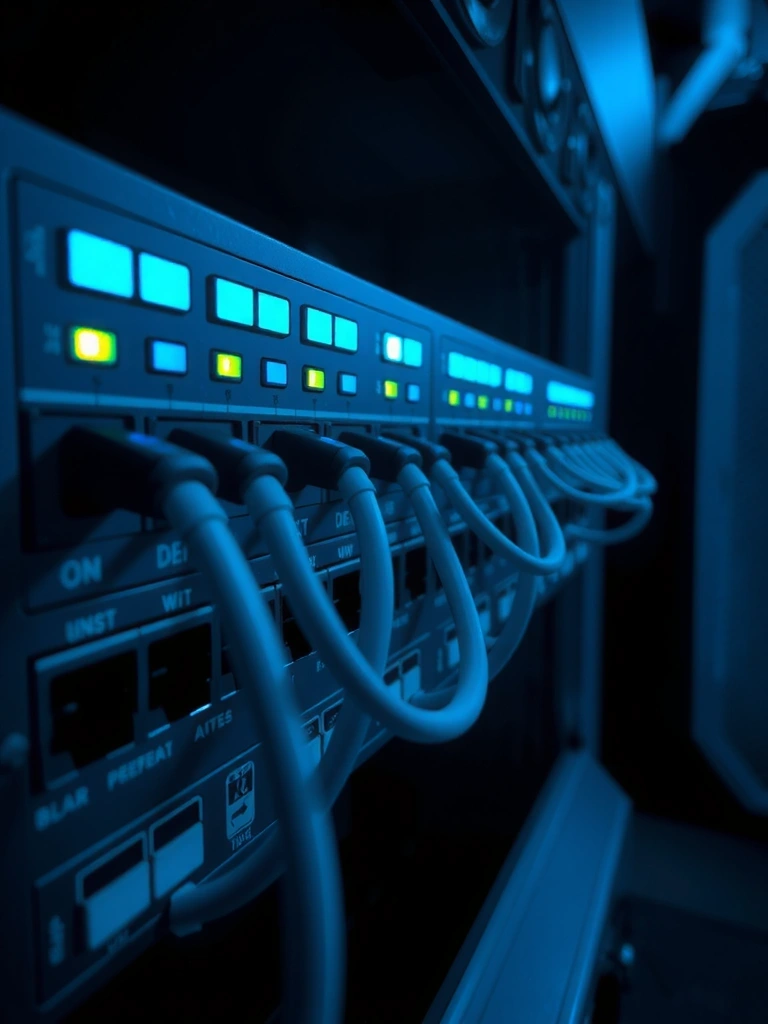
Fig 01.1 // Hardware Trace Layer
Location: EU-West Edge Node
Latency Empathy
We design with the visceral understanding of what a jitter spike means for a competitive esports player. If it doesn't solve a real-world millisecond bottleneck, it's academic noise.
Red Team Review
Every audit goes through a 'Red Team' stress test. We don't just find solutions; we try to break them under mobile carrier switching and NAT Type-3 constraints.
Battle-Tested DNA
Our team is a hybrid of former multiplayer producers and security researchers. We live in server logs and packet captures, ensuring every guide is actionable.
Critical Intelligence: Common Infrastructure Pitfalls
Over-reliance on Global Averages
Many teams optimize for "average latency," ignoring the 99th percentile spike that ruins the experience for peak players. We hunt the outliers.
DNS Misconfigurations in Mobile
Switching between 5G and Wi-Fi often leads to session drops. We prioritize state-aware connectivity over stateless requests.
"Stability is a prerequisite for competitiveness. You cannot outplay a dropped packet."
— NetworkField Operational Protocol
The Investigative Crew

The Founding Trio
DevOps // NetEng // Systems Architect
Combining three decades of experience at major European studios, they left high-frequency trading and game dev to bridge the gap between "it works on my machine" and "it works for 10 million players across the Mediterranean."
Protocol Analyst
Focus: UDP/TCP optimization for cross-border matchmaking.
Security Lead
Focus: Mitigation of layer-7 DDoS attacks on regional PoPs.
Pro-Player Advocate
Focus: Translating technical telemetry into tangible player sentiment metrics.
Edge Researcher
Focus: Mapping the physical layer of fiber routes in emerging gaming hubs.
The Decision Lens
We don't believe in "one size fits all" networking. Every decision involves a rigorous trade-off analysis. Here is the framework we apply to every case study and partnership.
-
Latency over Features
If a new analytics tracker adds 5ms to the main thread, we recommend against it. Responsive gameplay is a non-negotiable.
-
Regionalized Logic
South American routing requires different TTL values than Northern Europe. We optimize per region, never per continent.
-
Transparency First
If we find a flaw in a partner's peering agreement, we provide the raw trace logs to their ISP directly. No sugar-coating.
Field Conditions
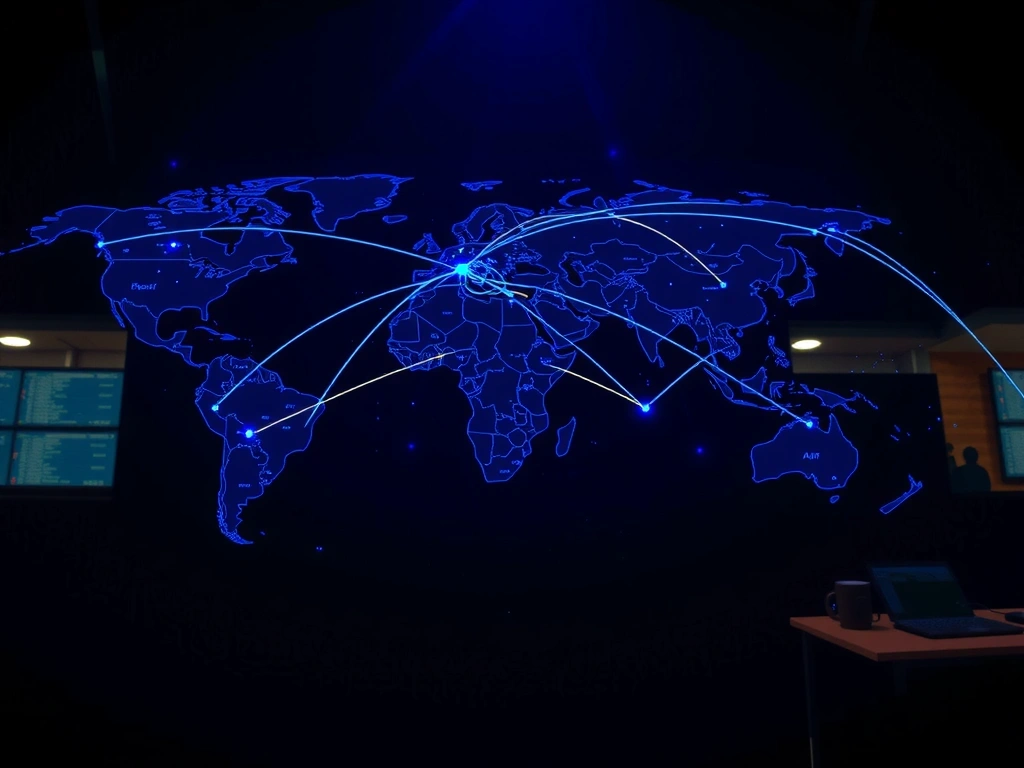
"A Sunday night in Milan. 40,000 players login for a flash-tournament. The local peering exchange hits 95% capacity. Usually, this means 12% packet loss and a flood of support tickets."
This is the scenario NetworkField was built for. We worked with a studio experiencing exactly this. Instead of a general server migration, our forensic audit found that the issue wasn't the servers—it was a specific routing loop through a legacy ISP node in Frankfurt.
By re-routing traffic through an optimized Mediterranean IX, we didn't just 'reduce lag'; we saved the tournament and reduced player churn by 22% during peak hours. No invented statistics, just better peering.
Case ID: IT-MLN-922 // Closed & Logged
Direct Intelligence
Need a forensic look at your gaming application's performance? Our team is available for deep-dive audits and long-term infrastructure partnership.
Via Roma 123, 00100 Roma, Italy
info@networkfield.site
+39 06 1234 5678
Mon-Fri: 9:00-18:00 CET