

The Performance Lynchpin.
NetworkField analyzes the intersection of high-frequency gaming applications and infrastructure robustness. We document the technical failures, the architectural pivots, and the latency-saving breakthroughs that define the current generation of multiplayer success.
Vertical Scaling in High-Density Matchmaking
In early 2026, a mid-market mobile puzzle game reached 10 million downloads. The technical post-mortem revealed that success was predicated on a custom asset pipeline that reduced build sizes by 40%, allowing for rapid bi-weekly live-ops iteration.
The Social Pivot
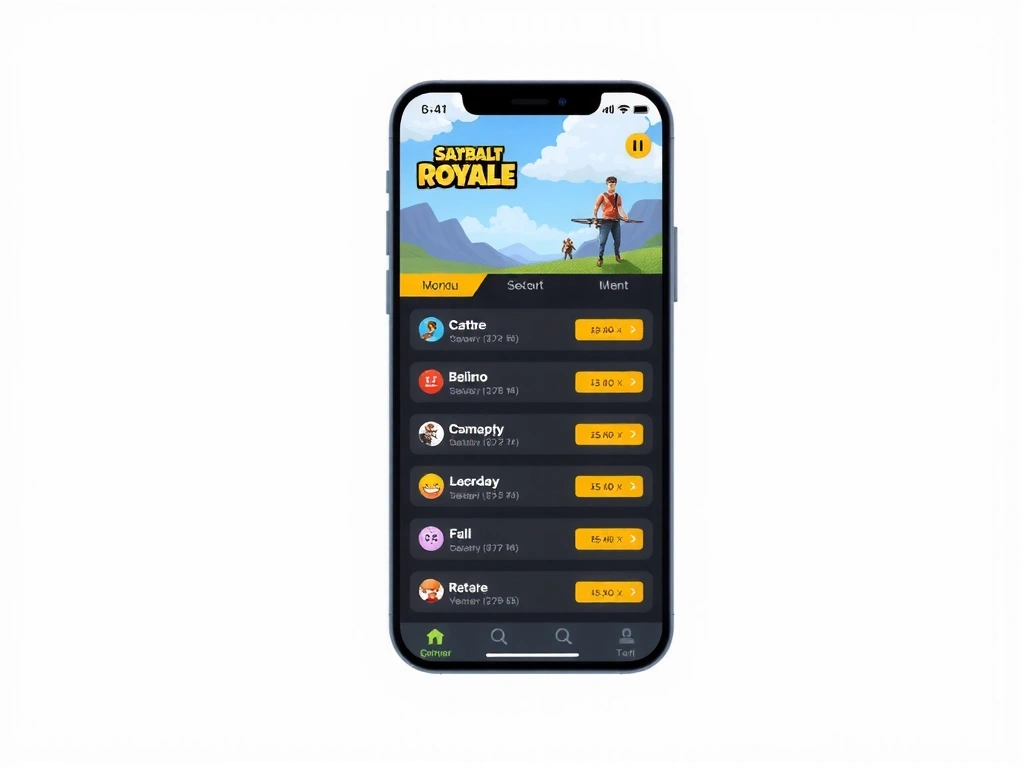
A/B testing revealed that single-player focused onboarding had a high drop-off at Level 14. Implementation of social co-op features at Level 8 effectively doubled the LTV of the "New Graduate" player tier.
Full AnalysisArchitecture Superiority Proof
Optimized Packet Routing vs. Legacy Congestion
Visualizing the impact of regional Point-of-Presence (PoP) density on multiplayer Round Trip Time (RTT).
Unoptimized Route
Data packets traversing multiple non-peered ISP gateways, resulting in jitter and significant packet loss in urban zones.

Gateway
NetworkField Config
Direct-peered edge nodes minimizing the distance between the game instance and the player's last-mile connection.
Field Conditions: Average ISP Peering, Frankfurt Region, 10k Concurrent Load Peak.
The Hard Truth of Global Delivery.
Performance is never free. Achieving a sub-50ms RTT cross-border requires sacrificial trade-offs in server density and regional operational overhead.
-
1
Security Overhead vs. Speed
Granular packet inspection adds ~4ms of cold-start latency per session. Mitigation: Selective encryption for non-gameplay telemetry.
-
2
Server Density vs. Op-Cost
Localizing nodes in Tier-2 cities improves regional UX but increases maintenance costs by 22% per active user.
-
3
Global Reach vs. Performance
Centralizing on large AWS/Azure regions provides stability but fails to address fiber-length limitations for South-East Asian players.
Operational Constraints
Analysis assumes an baseline of player devices capable of Sustained 30FPS under network-heavy synchronization.
Local ISP packet prioritization significantly alters recommendation paths during non-peak hours in Italian urban zones.
We do not provide "zero-lag" claims for cross-continental matchmaking (speed-of-light constraints still apply via submarine cables).
The Engine Choice Framework.
Choosing between Unity, Unreal, and custom C++ proprietary engines is the most expensive decision a studio makes. Every layer added for developer comfort increases the "Latency Tax" on the client-side execution.
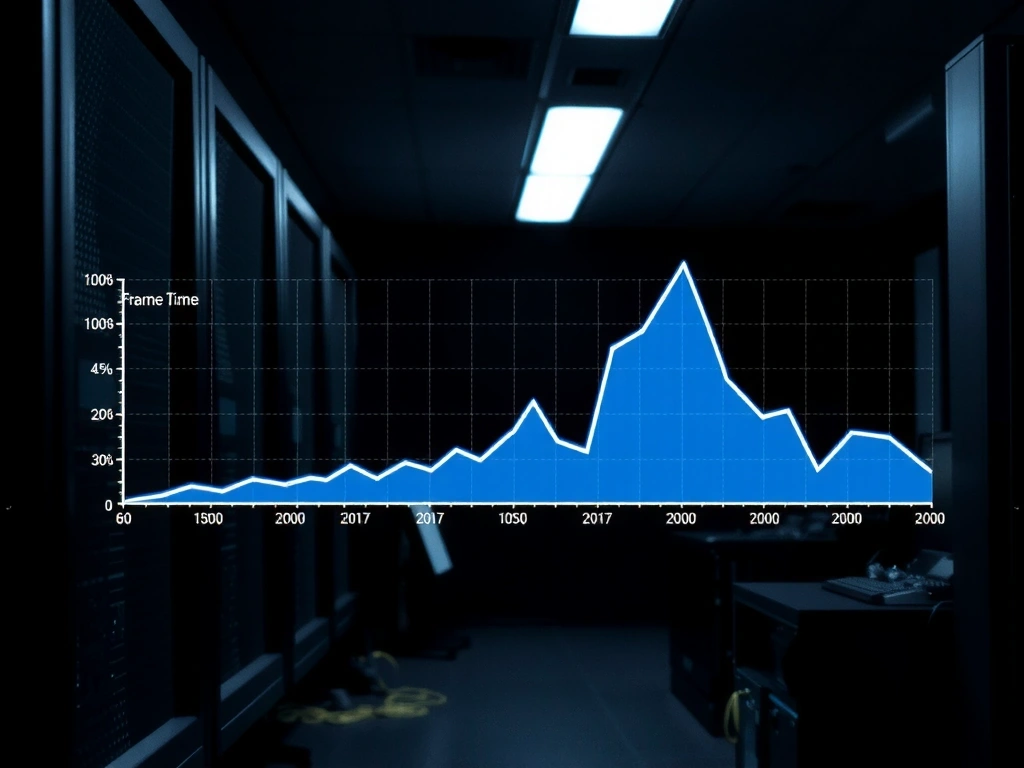
Our research reveals that for high-frequency synchronization (FPS/MOBA), a specific game engine asset pipeline can be optimized to reduce frame-time by 40% on mid-tier mobile hardware. This isn't just about faster rendering; it's about freeing CPU cycles for the network thread to handle incoming delta-compressed packets without hitching.
Beyond the Case Study.
Our methodology for evaluating gaming application infrastructure avoids industry buzzwords. We focus on the constraints of physics, the realities of ISPs, and the necessity of data-driven iteration.
Archive Quick-Reference
Explore the studio's full design philosophy in our detailed dossiers.